


Large Fireplaces
Add a review FollowOverview
-
Founded Date June 5, 1916
-
Sectors Construction
-
Posted Jobs 0
-
Viewed 2

Company Description
Guide To Traditional Fireplaces UK: The Intermediate Guide The Steps To Traditional Fireplaces UK
The Enduring Charm of Traditional Fireplaces in the UK
Traditional fireplaces have long been a staple of British homes, evoking memories of comfortable winter nights and the crackling heat of a family gathering. As home style evolves, the enduring appeal of these hearths still holds an unique place in the hearts of numerous. This article explores the abundant history, types, benefits, and upkeep of conventional fireplaces in the UK, together with answers to some regularly asked concerns.
A Brief History of Fireplaces in the UK
Fireplaces have actually belonged of human history for millennia, but their role in British homes has changed over the centuries. Initially, open fires were utilized for cooking and heating, however as the innovation advanced, so did the style and performance of fireplaces.
- Middle ages Period: Open hearths were typical, frequently found in the centre of a home, where families would gather.
- 16th Century: The intro of chimneys permitted for more effective smoke ventilation, resulting in a shift towards more elegant styles.
- 18th Century: The Georgian age saw the appeal of cast iron grates and ornate surrounds, showing the age’s increasing affluence.
- Victorian Era: Fireplaces became fancy, with architectural information that showcased craftsmanship, turning them into a focal point of the home.
Today, standard fireplaces are valued for their aesthetic appeal and cultural significance, representing convenience and warmth.
Types of Traditional Fireplaces in the UK
When thinking about a standard fireplace, homeowners in the UK have different options, each with its distinct attributes and appeal. The following table lays out a few of the most popular types:
| Type | Description | Fuel Source | Pros | Cons |
|---|---|---|---|---|
| Open Hearth | A classic fireplace style with no grate or insert, generating a warm glow. | Wood or coal | Visual appeal, atmosphere, and a rustic feel. | Inefficient heat use and smoke emissions. |
| Cast Iron | Features complex designs, typically with a popular fireplace grate. | Wood or gas | Outstanding heat retention and stylish appearance. | Much heavier, may need professional setup. |
| Bricked Hearth | Built utilizing bricks, typically with a traditional mantelpiece. | Wood, coal, or gas | Durable and adjustable to match home décor. | Requires skilled craftsmanship; installation can be pricey. |
| Inglenook | A large, recessed fireplace developed to create a cozy nook. | Wood or coal | Inviting and spacious, best for large spaces. | Uses up substantial area; may be difficult to clean. |
| Tiled Fireplace | Features decorative tiles that include character and design. | Wood, coal, or gas | Aesthetic range and personalization choices. | Tiles can be expensive to change or fix. |
Advantages of Traditional Fireplaces
While contemporary heating solutions like main heating and electrical fires have become commonly popular, standard fireplaces offer distinct advantages that make them preferable choices. Here are some key advantages:
-
Aesthetic Appeal
- Traditional fireplaces add charm and a touch of history to any home.
- They can work as a focal point in living areas, boosting overall interior design.
-
Increased Home Value
- A well-maintained fireplace can boost a residential or commercial property’s worth, making it more attractive to possible purchasers.
- Lots of property buyers view a standard fireplace as a desirable function.
-
Eco-Friendly Heating
- Using wood or coal is typically considered more ecologically friendly compared to fossil fuels, depending on sourcing and use.
- Choosing sustainably sourced fire wood can minimize carbon footprints.
-
Cultural Significance
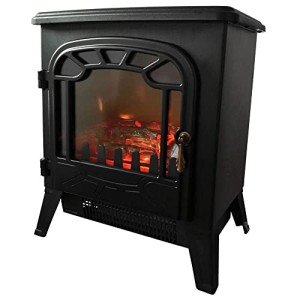
- Fireplaces frequently become the heart of the home, providing a gathering place for household and friends.
- They represent comfort, tradition, and a sense of belonging.
-
Alternative Heating Source
- Throughout power outages or extreme weather, a conventional fireplace can offer dependable heating.
Upkeep Tips for Traditional Fireplaces
Preserving a standard fireplace is vital for safety, efficiency, and aesthetic appeal. Here’s a list of maintenance tips to keep in mind:
-
Regular Cleaning
- Clean the fireplace and chimney regularly to avoid soot accumulation and chimney fires.
- Think about employing a professional chimney sweeper a minimum of as soon as a year.
-
Look for Damage
- Inspect the fireplace for fractures, creosote buildup, or other indications of wear and tear.
- Resolve any concerns immediately to prevent more damage.
-
Usage Proper Fuel
- Use skilled wood or top quality coal to ensure effective burning and minimize smoke.
- Avoid burning plastics or treated woods, as they can launch hazardous contaminants.
-
Set Up Glass Doors
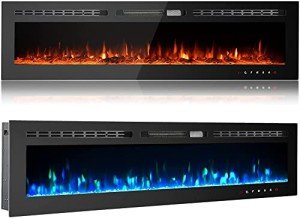
- Consider adding glass doors to your fireplace to help retain heat and lower the danger of sparks getting away.
-
Use a Fire Screen
- A fire screen helps secure the room from ashes while adding design.
FAQ
Q1: Is it legal to have a conventional fireplace in a contemporary home?
Yes, homeowners can legally have standard fireplaces, however it’s necessary to abide by regional building guidelines and safety requirements, particularly concerning ventilation and emissions.
Q2: How often should I have my chimney cleaned?
It is advised to have your chimney cleaned up a minimum of when a year, especially if you use the fireplace routinely. If you burn wood, more frequent cleansings may be required.
Q3: What type of wood is finest for burning?
Experienced hardwoods, such as oak, beech, and ash, are chosen for burning due to their higher energy content and lower smoke emissions.
Q4: How can I increase the efficiency of my standard fireplace?
To improve effectiveness, guarantee your chimney is tidy, use experienced wood, and consider setting up a fireplace insert that can increase heat output while lowering heat loss.
Q5: Can I transform my conventional fireplace to gas?
Yes, numerous Traditional fireplace fireplaces can be transformed to gas. This conversion must be performed by a qualified professional to ensure security and compliance with guidelines.
Standard fireplaces hold a timeless beauty that resonates deeply within the British cultural landscape. They not just provide heat and ambiance however likewise function as a symbol of connection to home and heritage. By comprehending the different types, advantages, and upkeep pointers, property owners can preserve the beauty and function of these cherished functions for generations to come. As the seasons change and the temperature levels drop, the golden glow of a standard fireplace continues to guarantee convenience and warmth, making it an important asset in any home.
